
Key takeaways
- Published industry figures put HVAC maintenance plans at about $150–$300 a year (Angi) to $150–$500 a year (Fixr, January 2026). One Denver-area franchise, One Hour Heating & Air Conditioning, advertises a $19.99-a-month club. These are other companies' prices, not ours.
- Paying per visit, Fixr lists a furnace tune-up at about $70–$300, an AC tune-up at $70–$200, and heating plus cooling at about $200–$600.
- Plans rarely cover repairs. What you mostly buy is two scheduled visits, priority scheduling and a repair discount. A plan is worth it if you'd actually get both tune-ups anyway.
- Warranties matter more than discounts. Trane and Lennox require registration within 60 days to get 10-year parts coverage, and Trane's warranty guide says lack of professional maintenance can void it. Read your own warranty.
- Colorado adds reasons to maintain a gas furnace every fall: altitude setup and combustion, carbon monoxide risk, cottonwood-clogged condensers and hail-damaged coils.
Almost every HVAC company now sells a maintenance plan, called a club, membership or service agreement. The pitch is the same: two tune-ups a year, priority service, discounts, peace of mind. The question is whether you'd come out ahead compared with booking tune-ups on your own, or skipping them.
The honest answer is "it depends," but it depends on things you can check. This guide covers what a tune-up actually includes, what plans cost according to published sources, how manufacturer warranties treat maintenance, and the Colorado-specific reasons a fall furnace check matters here more than in many places. All prices cited are from the named outside sources. They are not MrFixer Heating & Cooling prices.
What a real tune-up includes
ENERGY STAR publishes a contractor maintenance checklist that's a good yardstick. It recommends a pre-season check of the cooling system in spring and the heating system in fall:
Every system
- Check thermostat settings.
- Tighten electrical connections and measure voltage and current on motors.
- Lubricate moving parts.
- Inspect the condensate drain.
- Confirm the system starts, runs and shuts off properly.
Cooling (spring)
- Clean the evaporator and condenser coils.
- Check the refrigerant charge and adjust if needed.
- Clean and adjust blower components to maintain airflow.
Heating (fall)
- Check gas connections, gas pressure, burner combustion and the heat exchanger.
Fixr's cost guide lists similar items, adding flushing the condensate line and testing ignition. ENERGY STAR also notes that dirt is a big enemy: a dirty filter can raise energy costs and lead to early failure, dirty coils reduce cooling and equipment life, and a dirty burner makes a furnace less safe and less efficient.
- 1Filter and airflow
Inspect or replace the filter; check blower and returns.
- 2Electrical
Tighten connections; measure motor voltage and current.
- 3Ignition and flame
Test the igniter and flame sensor; inspect burners.
- 4Gas and combustion
Check gas pressure and burner combustion, set for altitude.
- 5Heat exchanger and venting
Inspect the heat exchanger and flue or PVC vents.
- 6Drain and controls
Clear the condensate drain; confirm start, run and shutoff; test thermostat.
Red flag: a "tune-up" that's a 20-minute look and a sales pitch. Ask what's measured. A useful visit leaves you with readings, such as temperature rise, gas pressure, combustion results and amp draws, not just a checked box.
What maintenance plans cost (published figures)
We found no independent survey of Denver plan prices. Here is what national cost guides and one local competitor publish:
| Source | What it lists | Price |
|---|---|---|
| Angi (national) | HVAC maintenance plan / service contract | $150–$300 per year |
| Fixr (national, updated Jan. 2026) | Maintenance plan | $150–$500 per year |
| Fixr | One-time furnace tune-up | $70–$300 |
| Fixr | One-time AC tune-up | $70–$200 |
| Fixr | Heating + cooling (split system) service | $200–$600 |
| One Hour Heating & Air Conditioning, Denver (advertised club) | Two tune-ups a year, 15% off repairs, discounted dispatch fees, priority service | $19.99/month (about $240/year) |
Competitor and industry prices as published by each source in November 2026; terms change and vary by company. They are not MrFixer prices.
The comparison that matters is your own: what two separate tune-ups would cost from the company you'd use, versus the plan price, plus how much you value the extras. If the plan costs about the same as two tune-ups, the discounts and priority scheduling are a modest bonus. If it costs much more, look closely at what you're getting.
What plans usually include and exclude
Angi describes plans as varying by provider, often with tiers. Common features:
- One or two scheduled tune-ups a year (spring AC, fall furnace).
- Priority scheduling during busy weeks.
- A percentage discount on repairs, and sometimes on new equipment.
- Reduced or waived service-call fees on some plans.
- Reminders, so the tune-up actually happens.
What they usually don't include: Fixr notes that plans typically do not cover repairs, though they may discount parts and labor. Filters, duct cleaning and major part replacements are generally extra. A maintenance plan is not a home warranty or an extended equipment warranty.
Questions to ask before signing
- Does it renew automatically, and how do I cancel?
- Is a fall visit a full combustion check, or just a filter change?
- Are filters included? What size and rating?
- Does "priority service" mean same-day, or just ahead of non-members?
- Does the plan document visits in a way that satisfies my manufacturer's warranty?
- Can I use the discount on refrigerant, or is it excluded?
Warranties: registration and maintenance language
This is the part most homeowners overlook, and it can be worth more than any plan discount.
Register within the deadline
Major brands use a two-tier warranty. Trane's warranty guide says equipment registered within 60 days of installation gets the Registered Limited Warranty, generally 10 years on parts such as compressors and coils. Unregistered equipment falls back to the Base Limited Warranty, generally five years. Lennox likewise requires registration within 60 days to add five years of coverage on qualifying parts. Your installer may register for you, but confirm it happened and keep the confirmation.
Read the maintenance language
Manufacturer warranties typically exclude damage from neglect or improper service. Trane's warranty explainer says that failing to have a licensed HVAC professional install and maintain your system will void the warranty, and lists DIY maintenance among the exclusions. Lennox's registration page doesn't spell out maintenance requirements and refers you to the warranty certificate. Angi notes that some manufacturers require a service contract. Warranty terms vary by brand and model, so read your actual certificate.
Practical steps:
- Keep every maintenance invoice with the date, model and serial number.
- Store the warranty registration confirmation with them.
- Note that standard parts warranties don't cover labor. Trane says labor is not covered under either its base or registered limited warranty unless you buy an extended plan. A repair on a covered compressor can still cost real money.
Colorado-specific reasons maintenance matters
Altitude and combustion
Every gas furnace on the Front Range runs at a derated input, about 4% per 1,000 feet of elevation per common manufacturer manuals, roughly 21% at Denver. If orifices, gas pressure or a pressure switch are wrong, the burner can run rich and make carbon monoxide. A fall visit that includes a combustion analysis catches that. See our altitude guide.
Carbon monoxide
The CPSC and CDC both recommend annual inspection of fuel-burning heating equipment. Colorado law requires CO alarms near sleeping rooms in homes with fuel-fired appliances in specific situations, including permitted appliance replacements. A tune-up is a good time to test alarms too. Our CO safety guide and carbon monoxide safety check page have more.
Cottonwood, dust and hail
Cottonwood fluff in late spring mats onto condenser coils across the metro, and summer hail can flatten fins. A spring visit that cleans the condenser and checks the coil is especially useful here. See our AC not cooling guide and hail damage guide.
Long heating season
Denver has a long heating season, and furnaces often run on chilly nights well into spring. Flame sensors, igniters and filters see a lot of hours, and a dirty flame sensor is a classic cause of a furnace that keeps turning on and off. Our short cycling guide explains.
Heat pumps
If you have a heat pump, it runs in both seasons, so it effectively gets twice the hours of an AC. Two visits a year make even more sense, and defrost operation should be checked before winter.
What you can do between visits
A plan or a tune-up doesn't replace the simple homeowner tasks that keep a system healthy all year:
- Filters. ENERGY STAR recommends checking the filter monthly and changing it when dirty. In Denver, wildfire-smoke days and spring pollen can load a filter faster than the package suggests. See our filter replacement page.
- Outdoor unit. Keep plants and debris at least 2 feet back, as the Department of Energy advises, and rinse cottonwood fluff off the coil gently with a hose, power off. Heavy buildup calls for professional coil cleaning.
- Vents after snow. High-efficiency furnaces vent through PVC pipes that drifting snow can block.
- CO alarms. Test them monthly.
So, is a plan worth it?
A plan is likely worth it if:
- You want both spring and fall tune-ups and would otherwise forget.
- Your equipment is under a manufacturer warranty and you want a clean maintenance record.
- You have a heat pump or dual-fuel system that runs year-round.
- Someone in the home is vulnerable to heat or cold, so priority service during a cold snap matters. Angi highlights this as a key reason.
- The plan price is close to what two separate tune-ups would cost.
A plan may not be worth it if:
- Your system is near the end of its life and you plan to replace it soon. Put the money toward the replacement instead.
- You'd only use one visit a year.
- The plan auto-renews at a higher price, or its "tune-up" doesn't include combustion testing.
- You're comfortable scheduling a fall furnace check yourself and keeping the receipts.
Either way, the habit matters more than the paperwork. A furnace checked every fall and an AC checked every spring, with monthly filter checks in between, is the routine ENERGY STAR recommends.
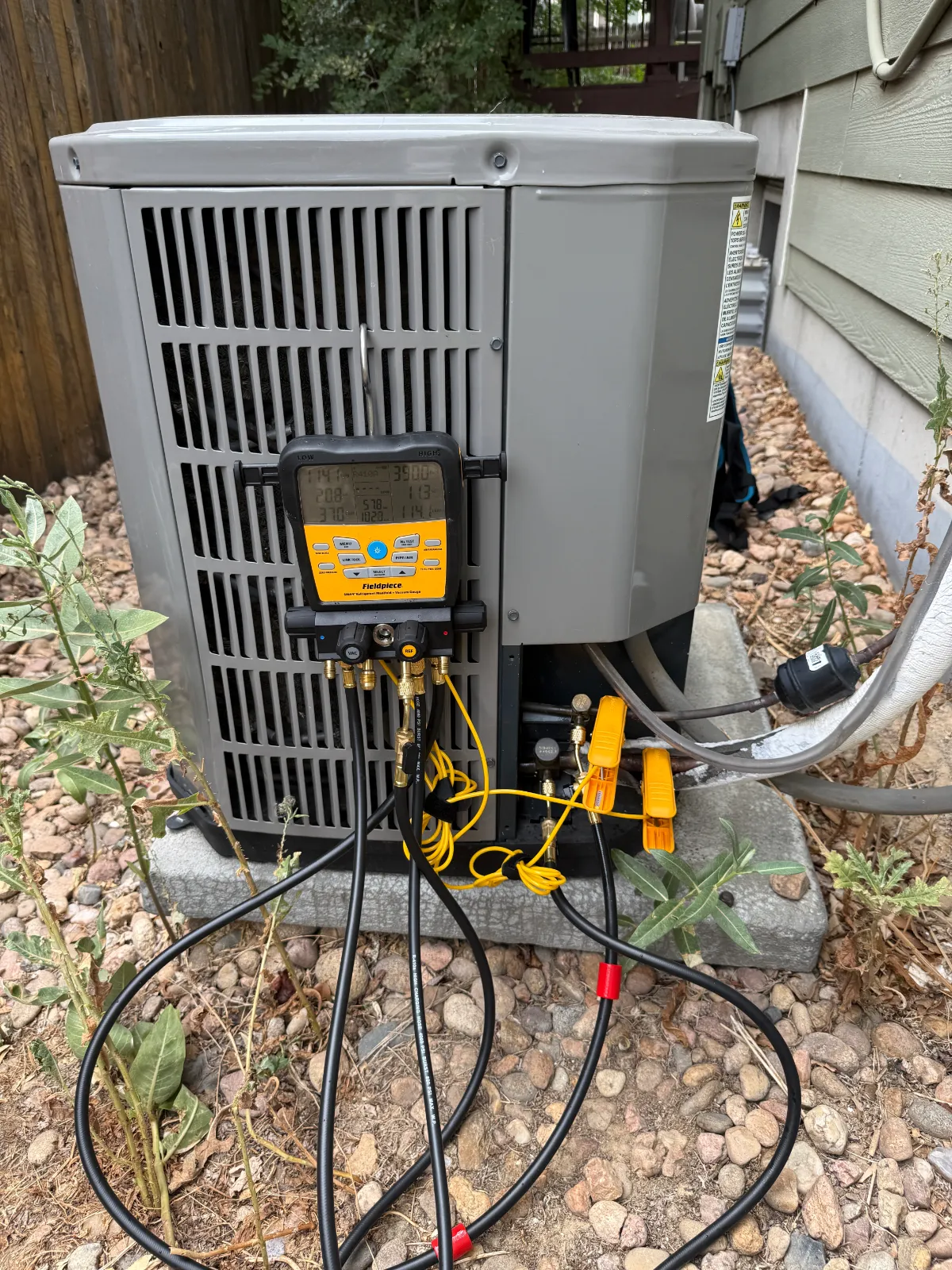
MrFixer Heating & Cooling offers seasonal tune-ups, preventative maintenance plans and system inspections across the Denver metro. Call (720) 466-7983 to ask what's included. If an inspection turns up a recommendation for a big repair or a new system and you'd like another look, we offer a free second opinion. For replacement budgets, see our Denver HVAC cost guide.
Frequently asked questions
How much does an HVAC maintenance plan cost?
Angi lists plans at about $150–$300 a year, and Fixr at about $150–$500. One Denver-area franchise advertises a $19.99-a-month club. These are outside prices, not MrFixer's.
How often should a furnace be serviced in Colorado?
Once a year before heating season, per ENERGY STAR, with filter checks monthly. Heat pumps and systems with central AC benefit from a spring visit as well.
Do I need a maintenance plan to keep my warranty?
Not usually a plan specifically, but warranties typically exclude neglect. Trane's guide says lack of professional maintenance can void coverage. Keep records of every service visit and register equipment within 60 days.
Does a maintenance plan cover repairs?
Usually not. Plans typically include tune-ups, priority scheduling and a repair discount. Parts may be covered by the manufacturer warranty, but labor usually isn't.
What does a furnace tune-up include?
ENERGY STAR's checklist includes checking gas connections, gas pressure, burner combustion and the heat exchanger, plus electrical connections, controls, lubrication and the condensate drain.
Is a tune-up worth it on an old furnace?
For safety, yes: a combustion and heat exchanger check matters more as a furnace ages. A plan may not be, if you expect to replace the system within a year or two.
Sources (11)
- energystar.gov energystar.gov/saveathome/heating-cooling/maintenance-checklist
- angi.com angi.com/articles/hvac-service-contracts-waste-money.htm
- fixr.com fixr.com/costs/hvac-maintenance
- onehourheatandair.com onehourheatandair.com/denver/about-us/club-membership/
- trane.com trane.com/residential/en/resources/blog/trane-warranties-explained/
- lennox.com lennox.com/residential/buyers-guide/guide-to-hvac/faqs/warranty-registration
- cpsc.gov cpsc.gov/Safety-Education/Safety-Education-Centers/Carbon-Monoxide-Information-Center/CO-A
- cdc.gov cdc.gov/carbon-monoxide/about/index.html
- colorado.public.law colorado.public.law/statutes/crs_38-45-103
- achrnews.com achrnews.com/articles/136057-furnaces-must-be-modified-for-high-altitude-applications
- energy.gov energy.gov/energysaver/maintaining-your-air-conditioner
We'll measure the house, run a load calculation and give you written prices for each option before any work starts.
Get a Free Estimate or call (720) 466-7983